Commercial Solar Panels Pakistan: A Business Owner’s Playbook for 2026
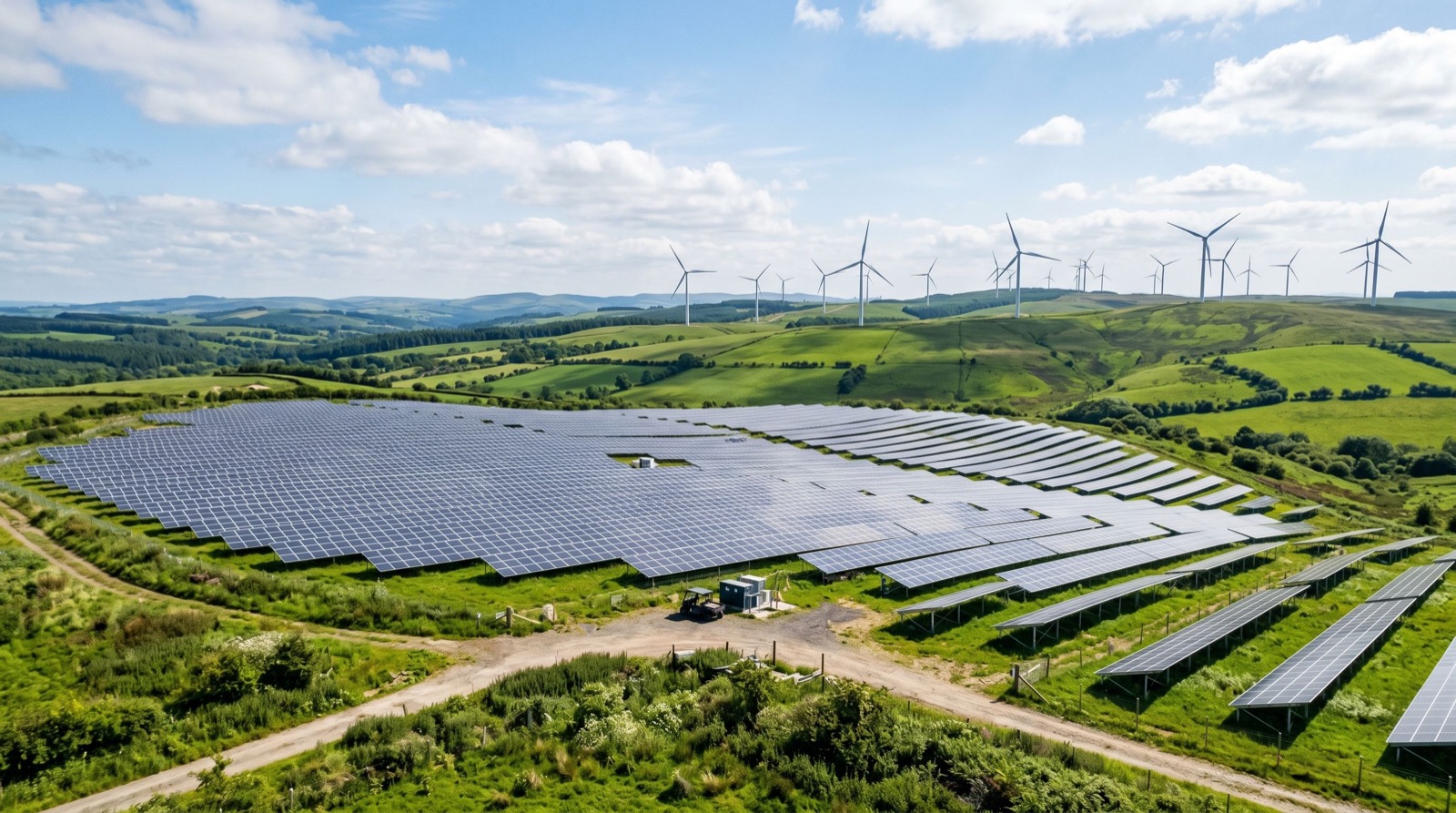
If you run a business in Rawalpindi or Islamabad, you already know the pain of a summer electricity bill that eats into margin before you’ve even opened the shop. Commercial solar panels Pakistan-wide have become less of an environmental talking point and more of an operating-cost decision, and 2026 is shaping up as the year that decision stops being optional for anyone running energy-heavy operations.
This isn’t a general homeowner guide. It’s written for the property managers, retail owners, and small manufacturers who need to know exactly how commercial solar differs from a residential rooftop system — and where the real returns are.
Why Commercial Solar Panels Pakistan Businesses Need Differ From Home Systems
A commercial installation isn’t just a bigger residential one. Load profiles differ, roof structures differ, and financing options differ. A retail unit running refrigeration and lighting all day has a flat, predictable load curve that solar can match almost perfectly during business hours. A warehouse with intermittent machinery has spikier demand that needs smarter inverter sizing.
Commercial properties also tend to have larger, flatter roofs — which is good for panel density but requires more careful structural load assessment before installation. Skipping that step is one of the most common and costly mistakes business owners make.
Commercial vs Residential: Quick Comparison
| Factor | Residential System | Commercial System |
|---|---|---|
| Typical size | 3–10 kW | 15–100+ kW |
| Load pattern | Morning/evening peaks | Business-hours heavy |
| Roof type | Mostly sloped | Often flat, needs structural check |
| Financing | Cash or personal loan | Leasing, business loans, EPC contracts |
| Payback focus | Household bill offset | Operating margin protection |
Rawalpindi: Dense Commercial Corridors, High Noon-Hour Demand
Rawalpindi’s commercial districts run on a predictable rhythm — shops and offices drawing peak power between late morning and early evening, exactly the window when solar generation peaks. That alignment is what makes commercial solar economics so favorable here compared to purely residential use cases where demand peaks after sunset.
Business owners scoping a project should get a site-specific proposal rather than a generic quote. A reputable provider of solar panels in Rawalpindi will walk the roof, measure actual shading throughout the day, and size the system to your real consumption data pulled from past utility bills — not a rule-of-thumb estimate.
Islamabad: Regulatory Clarity Helps Commercial Projects Move Faster
Islamabad’s more structured regulatory environment tends to make commercial net-metering applications and approvals smoother than in less formalized markets. For a business, faster approval means a shorter gap between capital outlay and savings realization — a detail that matters a lot when you’re justifying the project to a finance team or co-owner.
Several established installers for solar installation in Islamabad have built dedicated commercial divisions precisely because business clients have different documentation, warranty, and maintenance-contract needs than homeowners.
What Determines Commercial ROI?
- Peak demand charges: Businesses on commercial tariffs often face demand charges solar can directly reduce.
- Roof orientation and shading: Neighboring buildings and rooftop equipment can cut output significantly if not assessed properly.
- System financing structure: Leasing versus outright purchase changes the payback math substantially.
- Maintenance contract quality: Commercial systems run harder and need more proactive cleaning and inspection schedules than residential ones.
- Grid export policy: Understanding your DISCO’s net-metering export rate determines whether excess generation is a real revenue stream or a wasted asset.
A Practical Rollout Checklist for 2026
- Pull 12 months of utility bills to establish an accurate load profile before requesting quotes.
- Get a structural engineer’s sign-off on roof load capacity, especially for older commercial buildings.
- Compare at least two EPC (engineering, procurement, construction) contractors on both price and warranty terms.
- Clarify who owns the net-metering relationship with the DISCO after installation.
- Set a maintenance schedule from day one rather than waiting for a performance drop to notice a problem.
For businesses also managing their broader local marketing footprint, it’s worth connecting with the kind of reliable local experts who understand how operational upgrades like solar can actually become a customer-facing sustainability story, not just a line item buried in overhead.
Is the Math Still Good in 2026?
Yes — and arguably better than a few years ago. The International Energy Agency has repeatedly flagged solar as the fastest-growing power generation source globally, driven by continued cost declines in panel manufacturing even as grid electricity prices in many developing markets, including Pakistan, have trended upward. For a commercial operator, that’s a widening gap in your favor every year you wait.
Frequently Asked Questions
How is commercial solar panels Pakistan pricing different from residential?
Commercial systems benefit from economies of scale on a per-watt basis but require more complex inverter configurations and structural assessments, which can offset some of that savings depending on the building.
Can a business lease solar panels instead of buying outright?
Yes, leasing and power-purchase-style arrangements are increasingly available for commercial clients, letting businesses avoid large upfront capital costs while still reducing monthly electricity spend.
How long does a commercial solar installation take?
Depending on system size and roof complexity, commercial projects typically take two to six weeks from signed contract to grid-connected operation, including net-metering approval time.
Do commercial solar systems need more maintenance than home systems?
Generally yes — higher duty cycles and larger panel counts mean more frequent cleaning and inspection are needed to maintain peak output.
Sizing a System Around Real Operating Hours
One mistake shows up again and again in commercial solar proposals: sizing the system off square footage or a rough guess rather than actual operating hours. A retail shop open from 10am to 10pm has a very different consumption curve than a factory running three shifts, and the solar system should be sized to match the hours when the business is actually drawing power, not the hours when the sun happens to be strongest.
This matters because a mismatch between generation and consumption timing reduces the practical savings even when the system technically produces enough total energy on paper. A good installer will ask for your hourly load data, not just your monthly bill total, before recommending a system size.
Financing Options Business Owners Often Overlook
Many commercial property owners assume solar requires full upfront payment, but 2026’s financing landscape offers more flexibility than that. Beyond straightforward bank loans, several EPC contractors now offer staged payment plans tied to installation milestones, and some larger commercial projects qualify for green financing products from banks actively trying to grow their renewable energy lending portfolios.
Before dismissing solar as unaffordable this year, it’s worth having a direct conversation with your bank’s commercial lending desk, since many business owners are surprised to learn they already qualify for favorable terms based on their existing banking relationship.
Bottom Line
Commercial solar panels Pakistan businesses install in 2026 are no longer an experiment — they’re a documented, bankable way to protect margin against rising grid tariffs. The owners seeing the best results are the ones who treat it like any serious capital decision: real load data, competing quotes, and a maintenance plan from day one.