Drive-thru Systems in Saudi Arabia: 2026 Guide
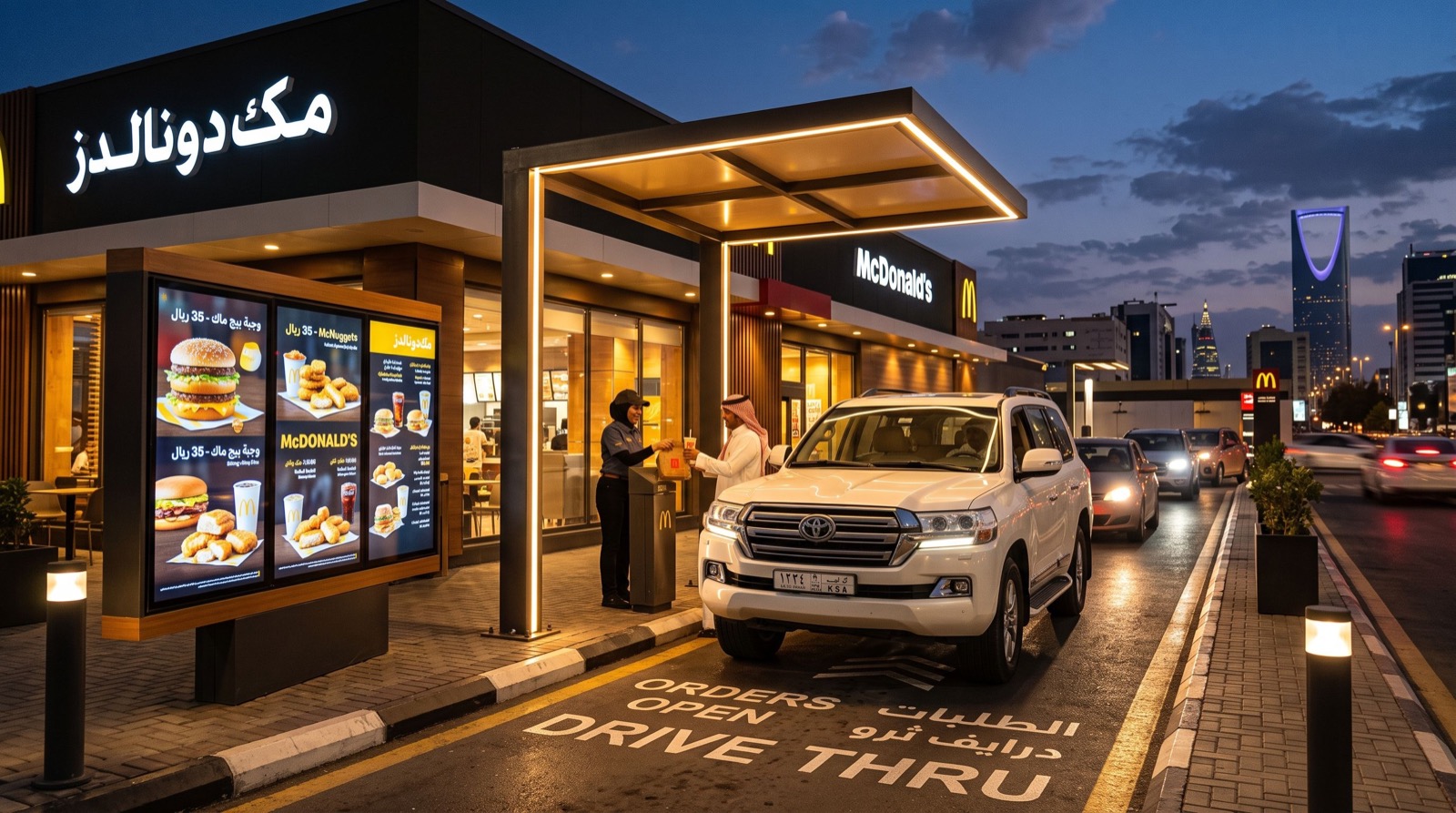
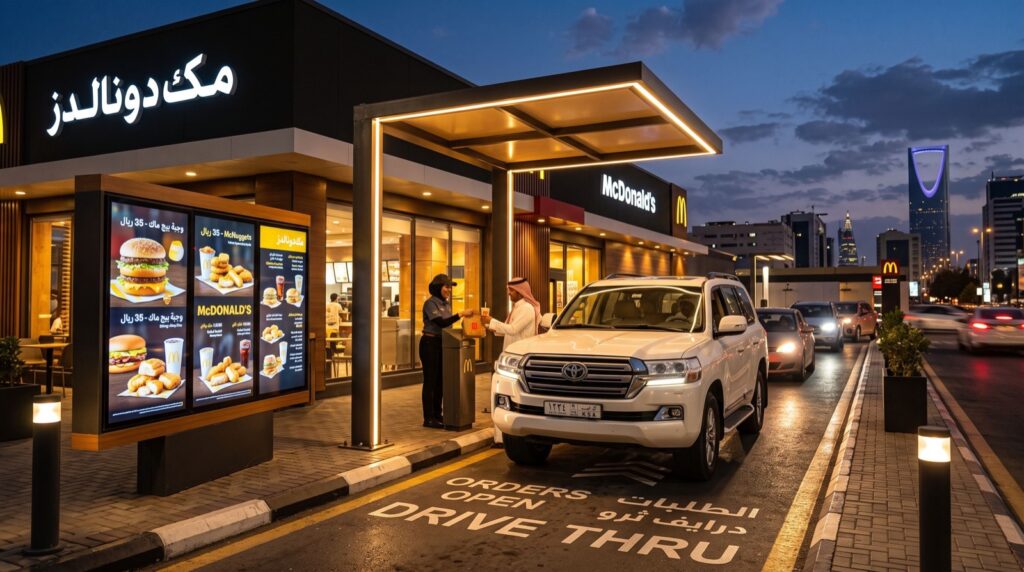
The humble drive-thru has quietly become one of the most important service channels in the Kingdom. Modern Drive-thru Systems in Saudi Arabia go far beyond a speaker and a window; they blend audio, digital menus, order confirmation, and timing analytics into one seamless experience. This 2026 guide explains the full technology stack and how to design a lane that keeps customers happy and revenue flowing.
From restaurants to pharmacies and banking, the drive-thru format fits a fast, car-centric lifestyle perfectly. Getting the system right is now a genuine competitive advantage, not just a convenience.
What makes up a modern drive-thru system?
A complete drive-thru system is a chain of connected components, each removing friction from the journey between arrival and collection. When they work together, cars flow quickly and orders stay accurate.
- Digital menu boards: bright, weatherproof screens that update prices and offers instantly.
- Order confirmation display: shows customers their order so errors are caught early.
- Audio communication: noise-cancelling headsets and speaker posts for clear conversation.
- Timing analytics: live data on how long each stage of the lane takes.
- Payment and collection: fast, often contactless, handover at the window.
Why are drive-thrus booming in the Kingdom?
Saudi Arabia’s cities are young, mobile, and increasingly urban. The World Bank notes the country’s high urbanisation rate, and dense city living combined with widespread car ownership makes drive-thru service a natural fit for daily errands.
Time pressure is the other driver. Customers want their coffee, prescription, or cash without leaving the car, especially during the hottest months. A well-run lane respects that preference and rewards the business with loyalty.
Which industries are adopting drive-thru beyond food?
Pharmacies offer drive-thru prescription pickup, banks provide drive-up ATMs and teller windows, and grocery brands run click-and-collect lanes. Each borrows the same core technology and tunes it to its own workflow and regulations.
Designing a lane that actually flows
Good hardware fails if the lane layout is wrong. Physical design and technology must be planned together from the start to avoid bottlenecks that no software can fix later.
- Enough stacking space: room for waiting cars so the lane does not spill onto the road.
- Clear sightlines: menu boards and signage visible well before the order point.
- Logical sequence: order, confirm, pay, collect, each at a distinct, uncrowded station.
- Pull-forward bays: space for complex orders so one car never blocks the rest.
Comparing drive-thru technology tiers
The table below outlines common setups, from a basic single lane to a fully analytics-driven operation, to help you decide how far to invest.
| Tier | Key features | Best for | Analytics |
|---|---|---|---|
| Basic | Audio + static menu | Small single-lane sites | Minimal |
| Standard | Digital menu + confirmation screen | Growing QSR brands | Basic timing |
| Advanced | Full audio, timing, remote management | Multi-branch chains | Detailed |
| Smart lane | AI menu, dual lanes, integration | High-volume flagships | Predictive |
You do not need the top tier on day one. Start with reliable audio and a clear menu, then layer analytics and automation as your volume and confidence grow.
Measuring and improving performance
What gets measured gets improved. Track total lane time, order accuracy, and cars served per hour, then review the numbers weekly to spot patterns and act on them.
Small changes compound. Repositioning a menu board, adding a confirmation screen, or retraining the crew on greetings can each trim seconds that add up to many extra sales across a busy week.
Choosing proven Drive-thru Systems in Saudi Arabia gives you the reliable hardware and local support needed to keep every lane consistent as your brand expands across the Kingdom.
Integrating identity and security hardware
Behind every great customer lane is a well-run operation. Staff access, cash handling, and back-office security all benefit from the same attention to detail as the drive-thru itself.
Many operators pair their lane technology with biometric access control such as Hampster Plus, so only authorised staff can reach cash rooms and stock areas while the front-of-house experience stays fast and friendly.
Bringing these systems together cleanly is easier with trusted professionals who can align the customer-facing lane with the security and reporting tools that keep the whole site running smoothly.
Maintaining reliability in a demanding climate
Saudi heat, dust, and long operating hours test every component. Build a maintenance routine so screens stay readable, audio stays clear, and nothing fails during your busiest trading periods.
Clean speaker posts weekly, check screen brightness in direct sun, keep spare headset batteries charged, and schedule software updates during quiet hours. A short pre-shift checklist catches most issues before customers ever notice them.
Budgeting for a drive-thru upgrade
A sensible budget looks beyond the headline hardware price. Installation, weatherproofing, staff training, and an ongoing support contract all shape the true cost of ownership over the system’s life.
Think in phases. Many operators start by fixing audio and adding a confirmation screen, then invest in digital menu boards once the lane is reliable, and finally layer in advanced analytics as volume justifies it.
- Upfront hardware: headsets, screens, speaker posts, and mounting.
- Installation and cabling: often underestimated, especially for multi-screen lanes.
- Training: a trained crew unlocks the speed the hardware promises.
- Support and warranty: fast repairs protect revenue during peak trading.
A phased plan spreads the cost, lets each stage prove its value, and avoids over-specifying a lane before you understand your real traffic patterns. The result is an upgrade that pays for itself as it grows.
Frequently Asked Questions
How much space does a drive-thru lane need?
It varies by volume, but most single lanes need room for several stacked cars plus a pull-forward bay. Planning enough stacking space is the single biggest factor in preventing lane congestion.
Are digital menu boards worth the cost?
For most brands, yes. They let you update prices and promotions instantly across sites, stay readable in bright sun, and support dayparting, which lifts both efficiency and average order value over time.
Can drive-thru systems work for non-food businesses?
Absolutely. Pharmacies, banks, and grocery click-and-collect services all use the same core audio, screen, and timing technology, adapted to their specific workflow and regulatory needs.
How do I reduce order errors in the lane?
Combine clear noise-cancelling audio with an order confirmation screen so customers can see and verify their order. Crew training on standard phrasing further cuts misheard items and remakes.
Final thoughts
Well-designed Drive-thru Systems in Saudi Arabia turn a simple lane into a fast, accurate, and profitable service channel. By planning layout and technology together, measuring performance honestly, and integrating the right security hardware behind the scenes, you create an experience customers return to again and again. Invest wisely in 2026 and your drive-thru becomes one of the strongest assets your business owns.