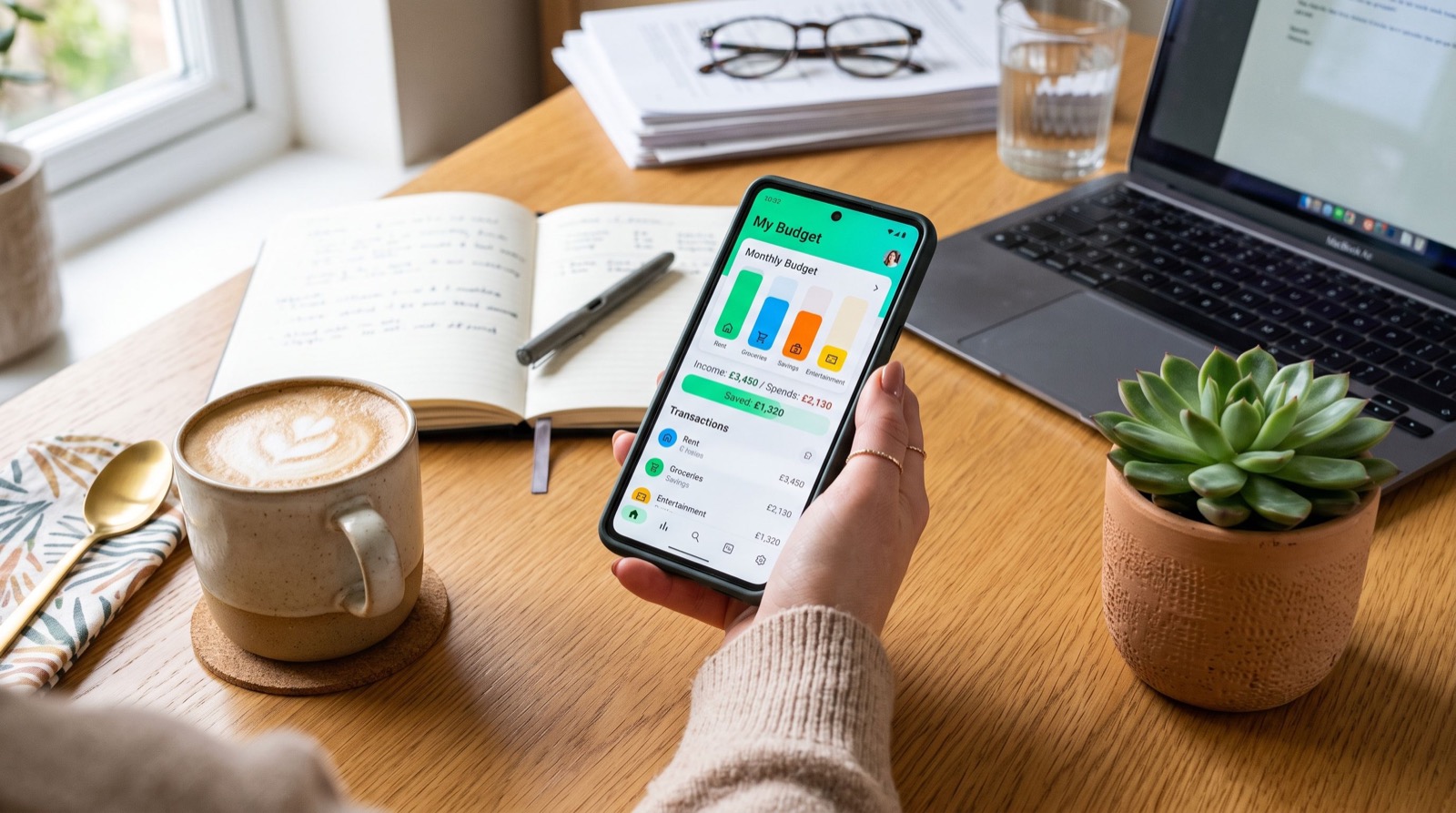
Digital banking has moved from convenience to necessity, and in 2026 more Americans manage their entire financial life from a phone than ever before. Going cashless offers speed, lower fees, and instant tracking, but it also introduces new risks around security and overspending. Understanding how digital banking works, and how to use it safely, is now an essential money skill. This guide explains the benefits, the pitfalls, and the practical steps to make mobile-first money management work for you.
From payment apps to online-only banks, the tools are powerful when used wisely. Let’s break down how to get the most from them while keeping your money protected.
What Is Digital Banking, Really?
Digital banking means handling your money through apps and websites instead of physical branches. It includes online-only banks, mobile payment platforms, and the digital arms of traditional institutions. The core appeal is control: you can check balances, move funds, and pay bills anytime.
According to the FDIC, mobile banking has become the primary way most U.S. households access their accounts, overtaking branch visits and even desktop banking. That shift reflects how comfortable people have become managing money on the go.
Payment Apps vs. Digital Banks
Payment apps like Cash App excel at moving money between people and making quick purchases. Digital banks focus on holding your money, paying interest, and offering full account features. Many people use both together, and this Cash App guide explains how a payment app fits alongside a full-service account.
The Real Benefits of Going Cashless
Cashless living isn’t just trendy; it delivers measurable advantages when done right.
- Automatic tracking: every purchase is logged, making budgeting effortless.
- Lower fees: many digital banks charge no monthly maintenance fees.
- Higher interest: online savings accounts often pay far more than brick-and-mortar banks.
- Instant transfers: send and receive money in seconds.
- Better security features: biometric logins and real-time alerts.
| Feature | Traditional Bank | Digital Banking |
|---|---|---|
| Monthly Fees | Often $5–$15 | Frequently $0 |
| Savings Interest | Very low | Competitive high-yield |
| Transfer Speed | 1–3 days | Instant to same-day |
| Access | Branch hours | 24/7 from your phone |
How Do You Stay Safe With Digital Banking?
Security is the number one concern, and rightly so. Fortunately, a few habits dramatically reduce your risk of fraud.
The Consumer Financial Protection Bureau (CFPB) notes that many peer-to-peer transfers are hard or impossible to reverse, so prevention matters far more than recovery. Treat your phone like your wallet, because in a cashless world, it essentially is.
- Enable biometric login and a strong, unique PIN on every finance app.
- Turn on instant transaction alerts so you catch fraud within seconds.
- Never send money to someone you haven’t verified, especially strangers online.
- Avoid public Wi-Fi for banking; use cellular data or a trusted network.
- Confirm your account is FDIC insured through the bank or its partner institution.
An Original Tip: The Two-Account Firewall
Keep a small “daily spending” balance in your payment app and your main savings in a separate insured bank. If your phone or app is ever compromised, only the small balance is exposed. This simple firewall limits any potential loss.
Avoiding the Overspending Trap
The biggest downside of cashless living is that spending feels invisible. Tapping a card doesn’t sting like handing over cash, so it’s easy to overspend without noticing.
Combat this by reviewing your transaction feed weekly and setting a firm spending limit in your app. Pairing digital banking with solid personal finance tips keeps convenience from turning into carelessness. When you want tailored help choosing accounts or setting up a system, dependable specialists can guide you through the options that fit your goals.
Choosing the Right Digital Banking Setup
Not every digital bank or payment app suits every person. Your ideal setup depends on how you earn, spend, and save. A freelancer with irregular income needs different tools than a salaried employee with steady paychecks.
Start by listing your must-have features. Some people prioritize a high-yield savings rate, while others care most about instant transfers or no foreign-transaction fees for travel. Match the provider to your real needs rather than chasing the flashiest marketing.
Next, test before you commit. Open one account, move a small amount of money, and try the everyday tasks you’ll rely on. If the app is clunky or customer support is unreachable, that’s a red flag worth heeding before you move your whole financial life over.
Keep a Backup Plan
Technology occasionally fails, so never put all your money in a single app. Maintain at least one traditional or secondary account you can access if your primary provider has an outage. This redundancy ensures you’re never locked out of your own money during an emergency.
It’s also wise to keep a modest amount of physical cash at home. Power outages and network failures can temporarily disable digital payments, and a small cash reserve keeps you covered for essentials until service returns.
Frequently Asked Questions
Is digital banking safe in 2026?
Yes, when you use strong security habits. Enable biometric logins, transaction alerts, and unique passwords, and only bank on trusted networks. Choose FDIC-insured providers so your deposits are protected up to the legal limit.
Can I go fully cashless without a traditional bank?
Many people do, using online banks and payment apps together. Just confirm your funds are FDIC insured and keep an accessible emergency balance. Some situations still require cash, so carrying a small amount as backup is wise.
How do digital banks offer higher interest?
Online-only banks have lower overhead because they don’t maintain physical branches, so they pass those savings to customers through higher interest rates and lower fees on savings accounts.
What happens if I send money to the wrong person?
Peer-to-peer transfers are often irreversible, so contact the recipient and your provider immediately. The best protection is prevention: always verify the recipient’s details before confirming any transfer.
Conclusion: Bank Smarter, Not Riskier
Digital banking in 2026 gives you speed, savings, and control that traditional branches simply can’t match. The key is using it deliberately: protect your accounts with strong security, separate spending from savings, and review your activity weekly to avoid the overspending trap. Adopt these habits today, and cashless living becomes a genuine financial advantage rather than a hidden liability.